By Wilhelmina Leggett
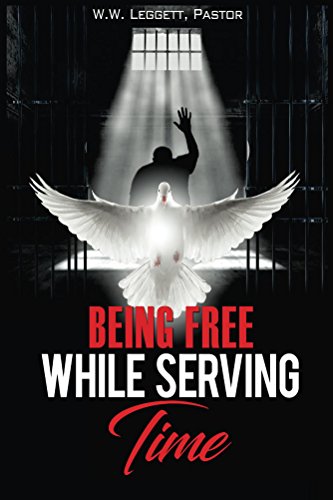
A mother's tale of energy, resilience and love as she trips via a virtually ten yr technique together with her son's incarceration. How she went from chaos to accomplish peace.
By Wilhelmina Leggett
By Richard C. Lindberg
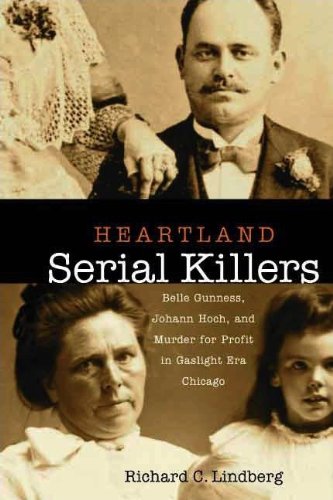
Lindberg, an entire neighborhood historian and actual crime author, provides a desirable tale of 2 contemporaneous serial killers, either weaving marriage and homicide in and round Chicago through the Nineties and 1900s. Johann Hoch used to be a debonair bigamist and spouse killer who boasted of getting perfected a “scientific strategy” to romance and seduction. Belle Gunness was once a nesting “Black Widow” whose sprawling farm in Northwest Indiana used to be a deadly entice for lonely bachelors looking the comforts of middle-age safeguard by way of answering matrimonial ads positioned through Gunness.
Notorious in his personal day, Hoch had pale into the darkish heritage of Chicago crime historical past. yet, in Heartland Serial Killers, Lindberg brings again vividly the horrors of 1 of Chicago’s first big name criminals and uncovers new proof of a detailed connection among Hoch and H.H. Holmes, the “Devil within the White City.”
Unlike Hoch, Belle Gunness, most likely the main prolific and notorious woman serial killer of the twentieth century, has remained interesting to the general public. the following, Lindberg offers the main entire and compelling learn of the Gunness case thus far, together with new information about ongoing DNA trying out of is still came upon on the web site of Gunness’s farm in LaPorte, Indiana, which can serve to solve as soon as and for the entire secret surrounding Gunness’s death.
Told in alternating chapters and speedily paced, this publication is correct crime at its best—gripping, pulpy, and entire of sharp old tidbits. precise crime enthusiasts, heritage buffs, and people attracted to neighborhood lore will get pleasure from this chilling story of 2 ruthless killers.
By III Walter L. Gordon

By Michael V. Maddaloni
Not at the point is ready Joe De Falco, a child boomer, is born to a lately widowed mom after his father is killed in motion close to the tip of worldwide battle II. A first-generation Italian-American, he's raised in a standard Italian domestic the place he comes below the impact of 2 very various uncles.
One, Uncle Tony, is a instantly, no-nonsense conflict hero who believes that associations equivalent to faith, govt, the army, and enterprise are valuable of belief and self belief. the opposite, Uncle Sal, is a slick, opportunistic, con-artist who believes in crime. As Joe strikes via a variety of phases of his lifestyles, he incorporates the conflicting affects of either uncles. Joe, frequently upset by way of his personal reports, grows more and more skeptical of associations he as soon as felt have been trustworthy.
Finally, as he confronts the most important obstacle in his lifestyles, he attracts on classes realized from his very varied uncles.
By Wallace Bradley,Dr. SaFiya Hoskins,Dr. Cornel West
By Harold Schechter
By Patrick Mitchell
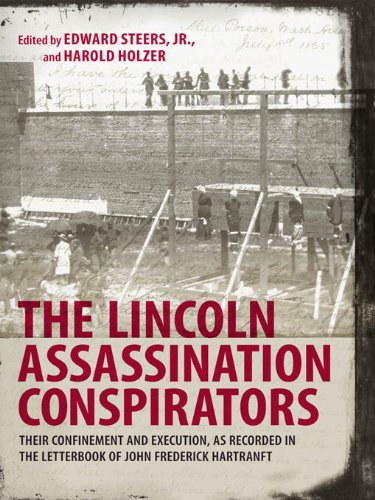
By Edward Jr. Steers,Harold Holzer,Edward Steers Jr.
Hartranft oversaw each point of the prisoners’ day-by-day lives, from ensuring they have been fed and stored fresh to making sure that not anyone communicated with them other than at the written orders of Secretary of battle Edwin M. Stanton. In his Letterbook, Hartranft scrupulously recounts the arriving of every prisoner and describes the felony routine—which integrated 3 uncomplicated nutrients an afternoon, a twice-daily phone inspection via Hartranft himself, and common actual examinations by means of a military health care professional. The prisoners wore wrist and leg shackles and, controversially, so much of them wore targeted hoods designed to isolate them from their surroundings.
When the conspirators’ trial started, the country waited eagerly for information, and plenty of sought retribution opposed to these they held chargeable for the nation’s grief. Hartranft resisted demands either vengeance and mercy and endured to regard his infamous fees as humanely as attainable, facilitating conferences with clergy and sending letters to and from relatives. but, as his indifferent, targeted description of the execution of 4 of the conspirators indicates, he didn't let emotion to abate the functionality of his responsibility.
The felony and ethical matters surrounding the conspirators’ trial—the awesome use of army instead of civil justice, the remedy of the accused whereas incarcerated, the advantageous line among speedy and precipitous justice—remain risky, unsettled matters at the present time. Hartranft’s prepared observations, ably analyzed through historians Steers and Holzer, will upload a riveting new bankruptcy to the tale of Lincoln’s assassination.
By Emmanuel Carrère,E. Vicari Fabris
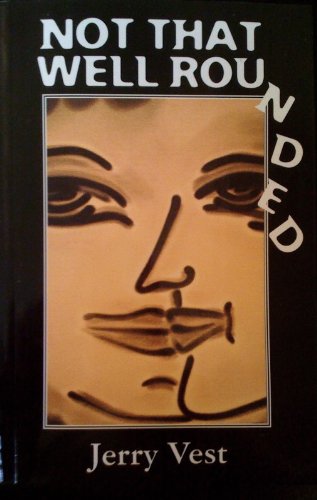
By Jerry Vest